Health and Safety Policy for High Pressure Washing in Garden Services
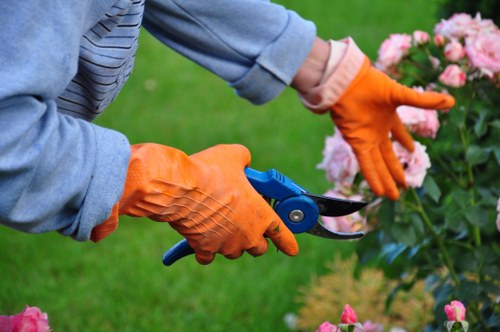 This Health and Safety policy sets out how a gardening company that carries out high pressure washing and power cleaning activities manages risks to staff, clients and property. It applies to all operatives who undertake pressure washing, jet washing or pressure cleaning of patios, driveways, fences and exterior surfaces as part of regular garden maintenance or one-off clearance work. The aim is to reduce harm, protect plants and surfaces, and ensure safe, consistent service delivery across the service area.
The policy emphasises that safety is everyone’s responsibility. Supervisors must carry out job-specific risk assessments and ensure that operatives are trained in the correct setup, operation and shut-down of high-pressure equipment. Staff must be familiar with machine controls, nozzle selection, and water pressure settings — different materials demand different approaches to avoid damage. The policy also covers safe transportation and storage of pressure washing units and chemicals.
![A close-up view of a garden bed featuring colorful tulips in shades of red and yellow, alongside small pink and white flowering plants, with green foliage in the background. The soil appears freshly turned and dark, with a hand wearing a gardening glove holding a hand rake actively working on the soil surface. The setting is an outdoor landscaped yard, likely part of a typical UK garden, with natural daylight illuminating the scene. The garden area includes a neatly maintained flower bed bordered by grass and paving, and the environment suggests regular gardening activity such as planting or soil preparation, relevant to outdoor maintenance services offered by High pressure washing in the local area near [POSTCODE].](/pub/_photos/gardening/f1408827392.jpg) Before any pressure washing or jet wash job begins a site survey is required to identify hazards such as trip risks, overhead cables, fragile paving, sensitive planting, pets, and neighbors’ property. This helps determine the appropriate personal protective equipment (PPE), which typically includes eye protection, gloves, non-slip footwear, and hearing protection when using petrol or high-output electric pumps. Operatives should also carry spill kits and barriers to control access and protect bystanders.
Before any pressure washing or jet wash job begins a site survey is required to identify hazards such as trip risks, overhead cables, fragile paving, sensitive planting, pets, and neighbors’ property. This helps determine the appropriate personal protective equipment (PPE), which typically includes eye protection, gloves, non-slip footwear, and hearing protection when using petrol or high-output electric pumps. Operatives should also carry spill kits and barriers to control access and protect bystanders.
Environmental protection is a core element of this pressure washing policy. Wastewater runoff must be managed to prevent contamination of soil, drains and watercourses. Where possible the use of biodegradable or low-toxicity detergents is preferred. Operators should position containment matting or temporary booms, capture wash water for lawful disposal, and avoid directing flow toward storm drains. Choosing appropriate chemical agents helps protect garden ecosystems and reduces long-term liability.
Manual handling and equipment safety are important when moving hoses, pumps and tanks. Teams should follow safe lifting techniques and use trolleys or lifting aids for heavy loads. Machines should be inspected daily for wear, damage to hoses, and secure fittings. Electrical safety for mains-powered washers requires RCD protection and checking cables for cuts; petrol-driven units need safe refuelling away from ignition sources and operating areas.
 Operating controls and nozzle selection are critical to avoid damage to surfaces and plants. High-pressure jets can etch concrete, strip paint and harm delicate vegetation. Use lower pressure, wider spray angles, or rotary cleaners where appropriate, and test on an inconspicuous area first. Clear communication between team members ensures the operator and spotters coordinate movements and protect garden features, water features and boundary structures.
Training and competence are mandatory under this policy. Staff must receive instruction in the safe use of power washing equipment, chemical handling, and hazard recognition. Training records will be kept and refreshed periodically. New hires must complete supervised practical sessions before working solo, and experienced operatives should mentor less experienced colleagues to maintain standards across jobs.
Controls and safe systems of work include:
- Completing a site-specific risk assessment and method statement
- Using appropriate PPE and hearing protection
- Establishing exclusion zones with cones or tape
- Ensuring first aid and spill response kits are available
Communication with clients and neighbors is important to set expectations and manage risks. Informing occupants about noise, water use, and temporary access restrictions helps reduce complaints and improves cooperation. Where vegetation or delicate garden features are at risk, consider offering protective coverings or recommending alternative cleaning methods to preserve landscaping and hardscape integrity.
The policy also addresses emergency procedures. In the event of accidental injury, chemical exposure or severe equipment failure, operatives must stop work, secure the area and provide first aid as required. Report incidents promptly through internal reporting channels and record details for follow-up. Regular drills and reviews of incident reports help the team learn and prevent repeat occurrences.
![In a well-maintained front garden in a rural or suburban area near [TOWN], a man wearing a blue polka-dot cap, red t-shirt, and blue gardening gloves is kneeling on the grass and soil, tending to a variety of flowering plants and shrubs. The garden features a lush, green lawn with dense, healthy grass in the foreground, bordered by flower beds containing colorful blooms in shades of yellow, purple, and pink. Behind the flowers, there are neatly trimmed hedges, small trees, and larger coniferous bushes providing structure and privacy. The background shows a dense woodland or park area with tall trees and a bright, slightly cloudy sky, indicating a mild weather day. The scene captures outdoor landscaping activity in a tranquil, landscaped yard, illustrating expert gardening care, possibly part of a professional service by High pressure washing, aimed at maintaining the aesthetics and health of residential outdoor spaces near [POSTCODE].](/pub/_photos/gardening/f1407483904.jpg) Equipment maintenance and pre-use checks help prevent failures that could cause harm or property damage. A maintenance log should be kept for each pressure washer, noting pump servicing, hose replacement, nozzle checks and safety device function. Faulty equipment must be removed from service until repaired. Proper fuel storage, battery care and secure parking of vehicles also reduce workplace risk when moving between garden sites.
Equipment maintenance and pre-use checks help prevent failures that could cause harm or property damage. A maintenance log should be kept for each pressure washer, noting pump servicing, hose replacement, nozzle checks and safety device function. Faulty equipment must be removed from service until repaired. Proper fuel storage, battery care and secure parking of vehicles also reduce workplace risk when moving between garden sites.
![The image shows a young man with light brown hair smiling while tending to a small garden plant. He is wearing a blue and white checkered shirt and light blue gardening gloves. The garden is part of a landscaped outdoor space, featuring a lawn with dense, green grass in the foreground, and a variety of shrubs and small bushes with fresh green foliage. In the background, there are wooden window frames and a blurred view of a house exterior, suggesting a front or back garden setting in a residential area, possibly in the UK. The environment appears well-maintained, with a clean and organized layout that includes a paved pathway or patio area. The lighting indicates a bright, clear day with natural sunlight illuminating the scene, conducive to outdoor gardening activities. This image exemplifies professional gardening and outdoor maintenance, as offered by High pressure washing in the vicinity of [POSTCODE], and highlights gardening services focused on plant care and garden landscape improvement.](/pub/_photos/gardening/f1387560960.jpg) Policy review and continuous improvement are required to keep the high-pressure cleaning safety framework effective. This policy will be reviewed periodically and updated to reflect changes in technology, chemicals, or best practice. Staff feedback and incident analysis will inform updates. By maintaining a clear, documented approach to risk control, training and environmental stewardship, a gardening company can deliver safe, reliable high-pressure washing services while protecting people, property and the landscape.
Policy review and continuous improvement are required to keep the high-pressure cleaning safety framework effective. This policy will be reviewed periodically and updated to reflect changes in technology, chemicals, or best practice. Staff feedback and incident analysis will inform updates. By maintaining a clear, documented approach to risk control, training and environmental stewardship, a gardening company can deliver safe, reliable high-pressure washing services while protecting people, property and the landscape.
Responsibilities
Managers must ensure resources, training and oversight are available. Supervisors carry out risk assessments and ensure safe systems are followed. Operatives must follow procedures, wear PPE and report hazards. All staff should contribute to a culture of safety and environmental care.
Key principles
Prevention, protection and preparedness are the guiding principles: prevent harm by planning, protect people and property during work, and be prepared to respond to incidents quickly and effectively. These simple principles support consistent delivery of safe pressure washing and jet wash services across garden and exterior maintenance work.
End of policy document.